If you’ve ever dreamed of growing fresh vegetables but felt overwhelmed by the space, time, or knowledge required, square foot gardening might be the perfect solution. This simple, highly efficient gardening method has helped thousands of home gardeners—from suburban backyards to urban balconies—grow more food in less space with far less effort than traditional row gardening.
Whether you’re a first-time gardener or a seasoned grower looking to maximize your harvest, this beginner’s guide to square foot gardening will walk you through everything you need to know. You’ll learn how to plan your layout, build your garden bed, choose the right soil, and pick the best plants for high-yield gardening in a compact footprint. Let’s dig in.
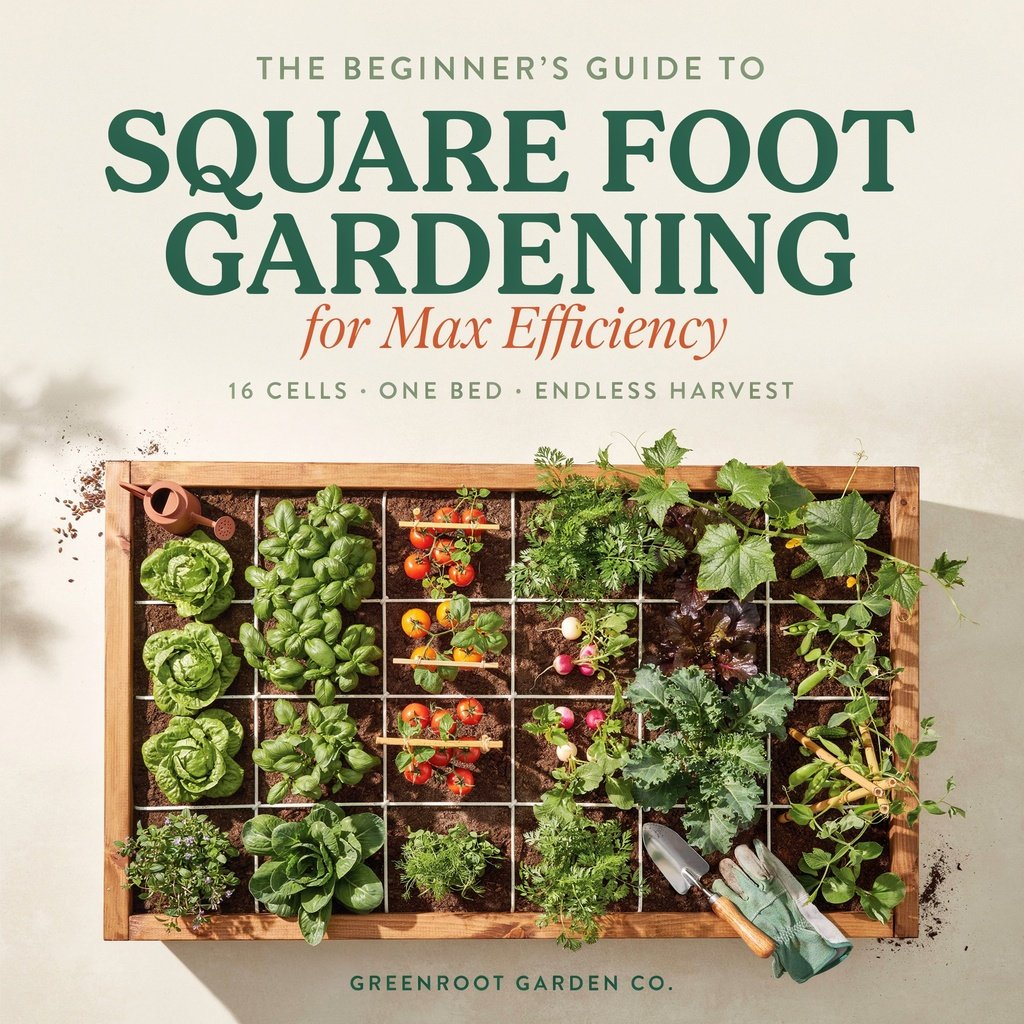
What Is Square Foot Gardening?
Square foot gardening is a raised bed gardening method that divides your growing space into a grid of one-foot-by-one-foot squares. Each square is planted with a specific number of plants based on their mature size, eliminating the wasted space and guesswork that comes with traditional row gardening .
The method was developed in the 1970s by Mel Bartholomew, an American engineer and gardener who noticed that most home gardens wasted up to 80% of their space on walkways and unused soil . He created a system that uses raised beds, a specialized soil mix, and a simple grid layout to grow more vegetables in a fraction of the space.
Unlike conventional gardening—where seeds are sown in long rows with wide paths between them—square foot gardening packs plants tightly into a small, manageable bed . A standard square foot garden bed is just 4 feet by 4 feet, giving you 16 individual squares to work with. That’s enough space to grow a surprising variety of vegetables, herbs, and even flowers.
This efficient gardening method has become especially popular among urban gardeners, apartment dwellers, and anyone practicing small space gardening who wants a productive backyard garden without the backbreaking labor.
Why Square Foot Gardening Is So Efficient
There are several reasons square foot gardening stands out as one of the most efficient gardening methods available today. Here’s why it’s perfect for beginners and small space gardening enthusiasts:
Maximizes yield in minimal space. Because plants are spaced precisely and there are no wasted walkways, you can grow significantly more food per square foot than in a traditional garden. A single 4×4 bed can produce enough salad greens, herbs, and vegetables for a small family throughout the growing season.
Reduces weeding dramatically. The dense planting and specialized soil mix make it very difficult for weeds to take root . Most gardeners report spending just a few minutes a week on maintenance instead of hours.
Uses less water. The loose, nutrient-rich soil retains moisture efficiently, and because you’re watering a compact area rather than long rows, you use far less water overall.
Easier on your back. Raised beds bring your garden up to a comfortable working height. You can tend to your plants without bending, kneeling, or straining—making this method ideal for older gardeners or anyone with mobility concerns.
Perfect for succession planting. Because the beds are small and organized, it’s easy to swap out crops as one finishes and another begins, keeping your garden productive from spring through fall.
How to Build a Square Foot Garden Bed
Building a square foot garden bed is straightforward and requires just a few basic materials. Here’s a step-by-step guide to get you started:
Step 1: Choose the Right Location
Your garden bed needs at least 6 to 8 hours of direct sunlight per day . Pick a spot that’s close to a water source and easily accessible from your home—you’re more likely to tend a garden you can see and reach without hassle. Avoid areas near large trees or shrubs, as their roots will compete with your vegetables for nutrients and water.
Step 2: Decide on Bed Size
The classic square foot garden bed measures 4 feet by 4 feet . This size is ideal because you can reach the center of the bed from any side without stepping on the soil. You can also build rectangular beds—such as 4×8 feet—but avoid making them wider than 4 feet. The depth should be at least 6 inches, though 10 to 12 inches is better for deep-rooted crops like carrots and tomatoes.
Step 3: Build the Frame
You can use untreated cedar, redwood, composite lumber, or even recycled plastic boards to build your frame. Avoid pressure-treated wood, as the chemicals can leach into your soil. Simply cut four boards to your desired dimensions and screw or nail them together at the corners.
Step 4: Prepare the Ground
Before setting your frame in place, lay down a layer of weed barrier fabric or cardboard over the existing grass or soil . This prevents weeds from growing up through your bed while still allowing water to drain.
Step 5: Level and Position
Set your frame on level ground. If your yard slopes, you may need to dig out the high side or build up the low side with soil to create a flat base.
Best Soil Mix and Bed Setup
One of the most important decisions you’ll make when starting square foot gardening is what to fill your bed with. Unlike traditional gardening that relies on native soil, square foot gardening uses a specially formulated soil mix called Mel’s Mix .
Mel’s Mix Recipe
The original formula consists of equal parts:
- 1/3 blended compost (use a variety of compost types for the best nutrition)
- 1/3 peat moss or coconut coir (coconut coir is a sustainable alternative)
- 1/3 coarse vermiculite
This combination creates a loose, well-draining, nutrient-rich growing medium that never needs tilling and rarely compacts. The peat moss or coir retains moisture, the vermiculite keeps the soil light and airy, and the compost provides a steady supply of nutrients throughout the growing season.
Mixing and Filling Your Bed
To mix Mel’s Mix, combine the three ingredients on a tarp or in a wheelbarrow. Use a measuring bucket to ensure equal proportions. Moisten the peat moss or coir before mixing—it’s difficult to wet once it’s dry and combined with other materials.
Fill your bed to the top with the mixed soil, then water it thoroughly to help it settle. You may need to add a little more mix after watering. Over time, the soil level will drop as organic matter decomposes, so plan to top off your bed with fresh compost at the start of each growing season.
How to Use a Square Foot Grid
The grid is the heart of square foot gardening—it keeps your planting organized and ensures proper spacing for every crop .
Making Your Grid
You can create a permanent grid using thin wooden lath strips, lattice, or even old window blinds. Simply cut your material to fit the dimensions of your bed and attach it to the frame or lay it directly on the soil surface. Many gardeners also use biodegradable string or twine to create temporary grids that can be moved as needed.
Understanding the Spacing System
The beauty of the grid system is that it simplifies plant spacing in square foot gardening into four basic categories :
- Extra-large plants (1 per square foot): broccoli, cabbage, cauliflower, eggplant, peppers, tomatoes
- Large plants (4 per square foot): leaf lettuce, Swiss chard, parsley, basil, bush beans
- Medium plants (9 per square foot): spinach, bush beans, beets, garlic
- Small plants (16 per square foot): carrots, radishes, onions, scallions
Each square foot can hold a different crop, allowing you to mix and match vegetables, herbs, and flowers throughout your garden. A garden spacing chart can help you plan which crops go where before you start planting.
What to Plant in Each Square Foot
One of the joys of square foot gardening is the ability to grow a diverse range of crops in a very small area. Here are some popular choices organized by spacing requirements:
One Plant Per Square (Extra-Large)
- Tomatoes (determinate varieties work best with a trellis)
- Peppers (bell peppers, jalapeños, banana peppers)
- Eggplant
- Broccoli and cauliflower
- Cabbage and Brussels sprouts
These plants need plenty of room to spread their leaves and develop fruit, so give each one its own dedicated square.
Four Plants Per Square (Large)
- Leaf lettuce and romaine
- Basil (1 to 4 plants depending on variety)
- Swiss chard
- Bush beans
- Kale
- Parsley
Plant these in the four corners of each square for even spacing .
Nine Plants Per Square (Medium)
- Spinach
- Beets
- Garlic
- Bush peas
- Onions (bulb varieties)
Sixteen Plants Per Square (Small)
- Carrots
- Radishes
- Scallions and green onions
- Turnips
For small seeds like carrots and radishes, simply sprinkle them evenly across the square and thin them as they grow.
Companion Planting for Better Results
Square foot gardening pairs beautifully with companion planting—the practice of growing plants together that benefit each other. Some effective combinations include:
- Tomatoes + basil: Basil is believed to improve tomato flavor and repel pests.
- Carrots + onions: Onions help deter carrot rust flies.
- Lettuce + radishes: Radishes grow quickly and are harvested before the lettuce needs the space.
- Beans + corn + squash: The classic “Three Sisters” combination works well in a square foot garden layout.
Watering, Maintenance, and Harvesting Tips
Watering Your Square Foot Garden
Because Mel’s Mix is so well-draining, your garden will need consistent watering—especially during hot summer months. Water deeply in the morning so the soil has time to absorb moisture before the heat of the day. A watering can or drip irrigation system works best, as overhead sprinklers can waste water and promote fungal diseases on plant leaves.
Check the soil moisture by sticking your finger about an inch into the soil. If it feels dry, it’s time to water. Mulching the surface with straw or shredded leaves can help retain moisture and reduce watering frequency.
Maintenance and Weeding
One of the biggest advantages of this efficient gardening method is how little maintenance it requires . Because the soil is loose and the plants are close together, weeds rarely get a foothold. Spend a few minutes each week pulling any small weeds that do appear, and inspect your plants for signs of pests or disease.
Succession Planting for Continuous Harvests
Succession planting means replacing one crop with another as soon as it’s finished producing. For example, once your spring radishes are harvested, you can plant summer bush beans in that same square. When fall arrives, swap heat-loving crops for cool-season greens like spinach, kale, and lettuce.
Plan your vegetable garden planting schedule around your local frost dates to maximize your growing season. In most of the US, this means starting cool-weather crops in early spring, transitioning to warm-season vegetables after the last frost, and planting a fall garden in late summer.
Using Trellises and Vertical Space
Many crops can be trained to grow vertically, saving valuable ground space. Install trellises, cages, or stakes for crops like:
- Tomatoes (determinate varieties)
- Cucumbers
- Pole beans
- Peas
- Small melons and squash
Vertical growing also improves air circulation, which helps prevent disease and makes harvesting easier.
Harvesting Tips
Harvest regularly to encourage continued production. Many vegetables—like beans, cucumbers, zucchini, and lettuce—produce more when you pick them frequently. Use clean, sharp scissors or garden shears to avoid damaging plants, and harvest in the morning when moisture content is highest for the freshest flavor.
Common Mistakes to Avoid
Even the most straightforward gardening methods have a learning curve. Here are the most common mistakes beginners make with square foot gardening—and how to avoid them:
1. Skipping the grid. Without a visible grid, it’s easy to overcrowd plants or lose track of what’s planted where. Always use a grid, even if it’s just temporary string.
2. Using the wrong soil. Don’t try to save money by filling your raised bed with regular garden soil or topsoil. It will compact over time, drain poorly, and may contain weed seeds or pathogens. Stick with Mel’s Mix or a high-quality raised bed mix.
3. Over-planting. It’s tempting to squeeze extra seeds into each square, but overcrowded plants compete for nutrients and sunlight, reducing your overall yield. Follow the spacing guidelines for best results.
4. Forgetting to water consistently. The loose soil mix dries out faster than traditional garden soil, especially in hot weather. Check moisture levels daily during peak summer.
5. Neglecting crop rotation. Planting the same crop family in the same squares year after year can deplete specific nutrients and attract pests. Rotate your crops each season to keep your soil healthy.
6. Ignoring vertical space. Don’t limit yourself to ground-level planting. Trellises and cages allow you to grow more food without expanding your garden footprint.
7. Starting too big. A single 4×4 bed is plenty for a beginner. It’s better to manage one bed well than to struggle with multiple beds you can’t keep up with.
FAQ
Is square foot gardening really worth it?
Absolutely. Square foot gardening produces higher yields per square foot, requires less weeding, uses less water, and is far easier to maintain than traditional row gardening. It’s especially worthwhile for beginners and anyone with limited space.
How deep should a square foot garden bed be?
A minimum depth of 6 inches works for shallow-rooted crops like lettuce and radishes. However, 10 to 12 inches is better for most vegetables, including carrots, tomatoes, and peppers.
Can I use regular garden soil in my square foot garden?
It’s not recommended. Regular garden soil tends to compact in raised beds, leading to poor drainage and stunted root growth. The specially formulated Mel’s Mix provides the ideal growing conditions for dense planting.
How often do I need to fertilize?
Because Mel’s Mix contains plenty of compost, you generally don’t need to fertilize during the growing season. Simply top off your beds with fresh compost between plantings and at the start of each season.
Can I do square foot gardening in containers or on a balcony?
Yes! The principles work just as well in large containers, window boxes, or patio planters. Just ensure your containers have good drainage and are at least 6 to 8 inches deep.
What’s the best time of year to start?
In most US regions, the best time to start is early spring, just a few weeks before your last expected frost date. This gives you time to build your bed, fill it with soil, and begin planting cool-weather crops.
Conclusion
Square foot gardening is more than just a technique—it’s a smarter, simpler way to grow your own food. Whether you’re working with a small urban balcony, a modest suburban backyard, or just want to spend less time weeding and more time harvesting, this efficient gardening method delivers results.
You don’t need a green thumb or acres of land to get started. With a 4×4 raised bed, a bag of Mel’s Mix, and a simple grid, you can grow fresh vegetables, herbs, and flowers right outside your door. Start small, follow the basics, and don’t be afraid to experiment as you learn.
Your journey into backyard gardening starts with a single square foot. So grab your supplies, pick your favorite crops, and get growing—you’ll be amazed at how much food you can produce in such a small space.
Happy gardening!