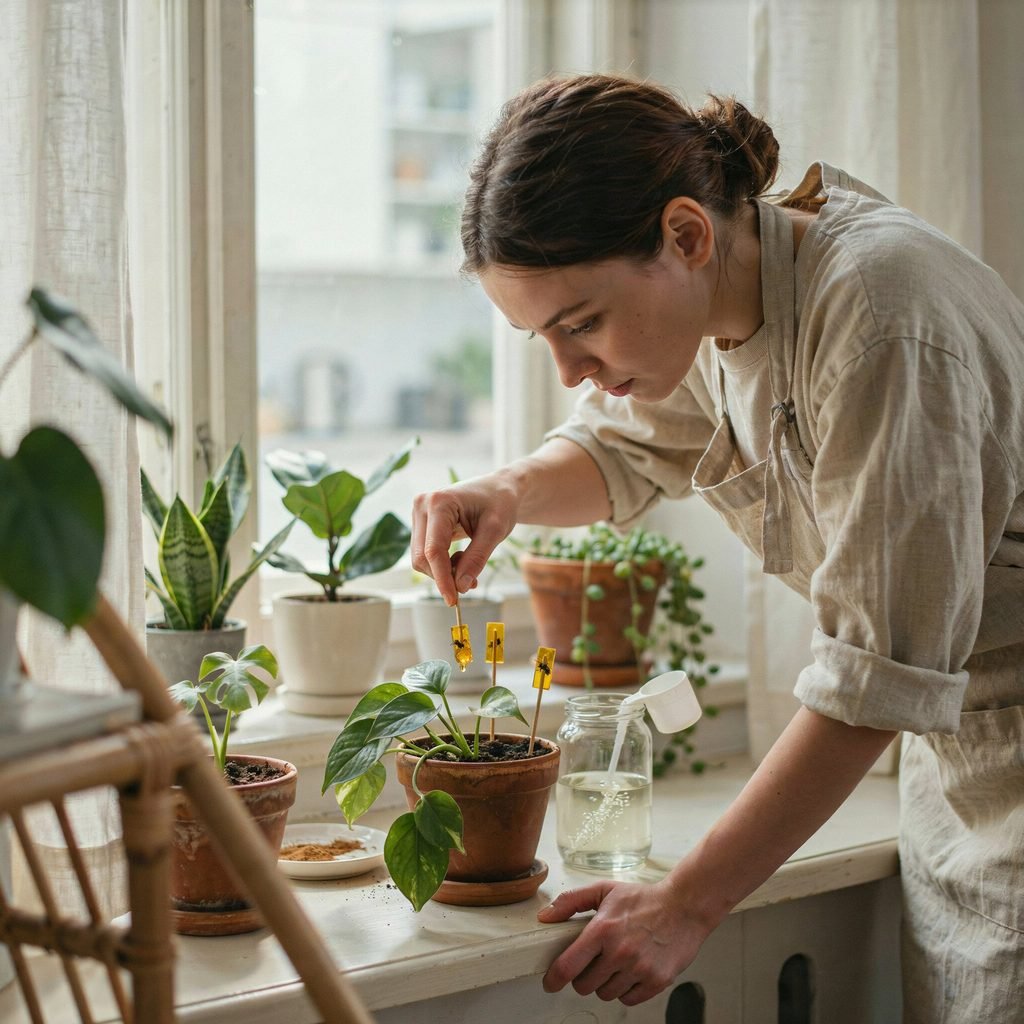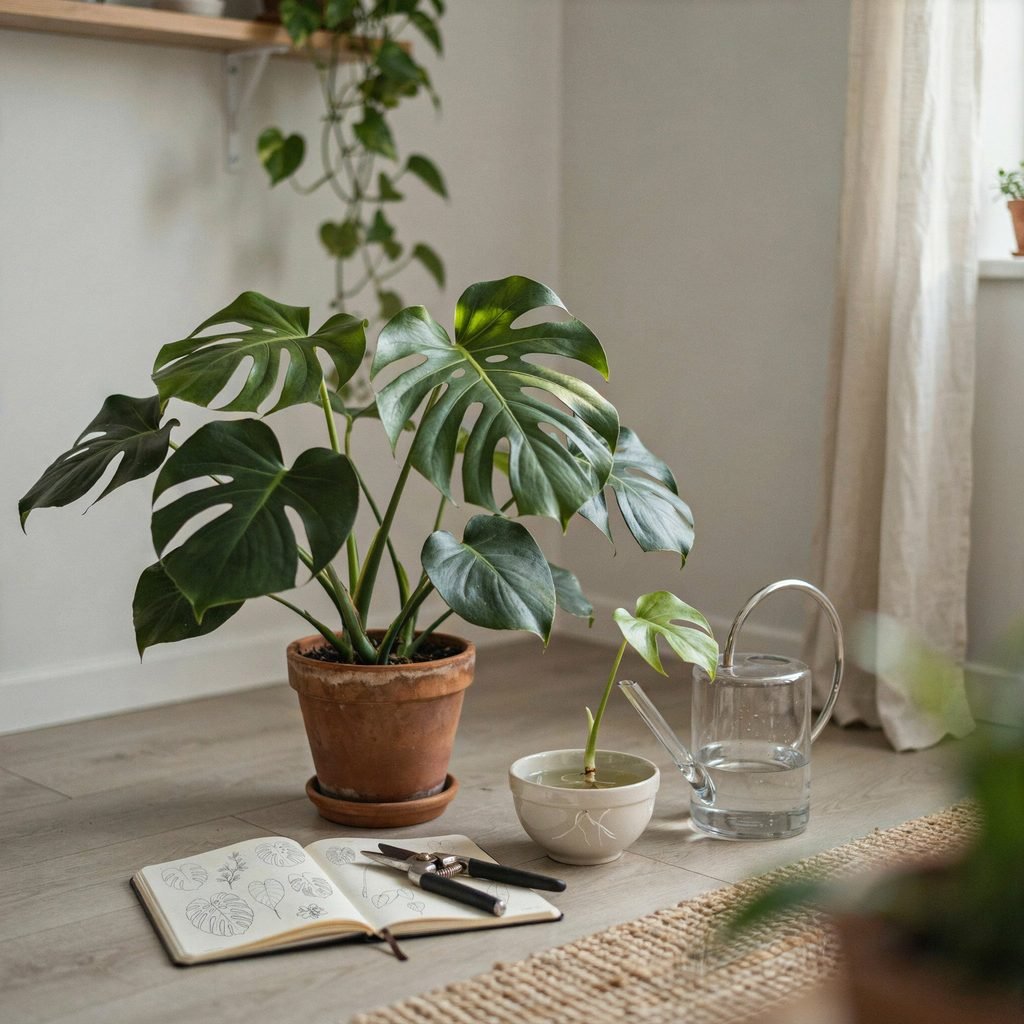
You’ve just moved into a north-facing apartment. The living room gets maybe two hours of weak winter sun. Your bathroom has a single frosted window. Your office cubicle hasn’t seen a ray of daylight since 2019. You want greenery—but every plant you’ve tried has turned into a crispy brown memorial within a month.
Here’s the good news: not every houseplant demands a sunny south-facing windowsill. Plenty of low-light houseplants evolved on shaded forest floors and tolerate the dim corners of our homes beautifully.
A quick reality check, though. “Low light” does not mean “no light.” Every plant on this list still needs some ambient or indirect light to photosynthesize. A truly windowless closet won’t cut it without supplemental lighting. But a room with a sheer curtain, a north-facing window, or even bright artificial lighting a few feet away? That’s workable.
In this guide, you’ll learn which easy houseplants for beginners to buy, exactly where to place them, how often to water low-light plants, and which varieties are safer if you share your space with a curious cat or dog.
Key Takeaways
- Low light means indirect or filtered light—not total darkness. Most plants here still need some ambient glow.
- Overwatering, not underwatering, is the #1 killer of shade-tolerant houseplants.
- Snake plants, ZZ plants, and cast iron plants top the list for drought tolerance and resilience.
- If you have pets, skip pothos, peace lilies, and philodendrons; choose spider plants or parlor palms instead.
- Windowless rooms require a basic LED grow light—no plant thrives in true zero light.
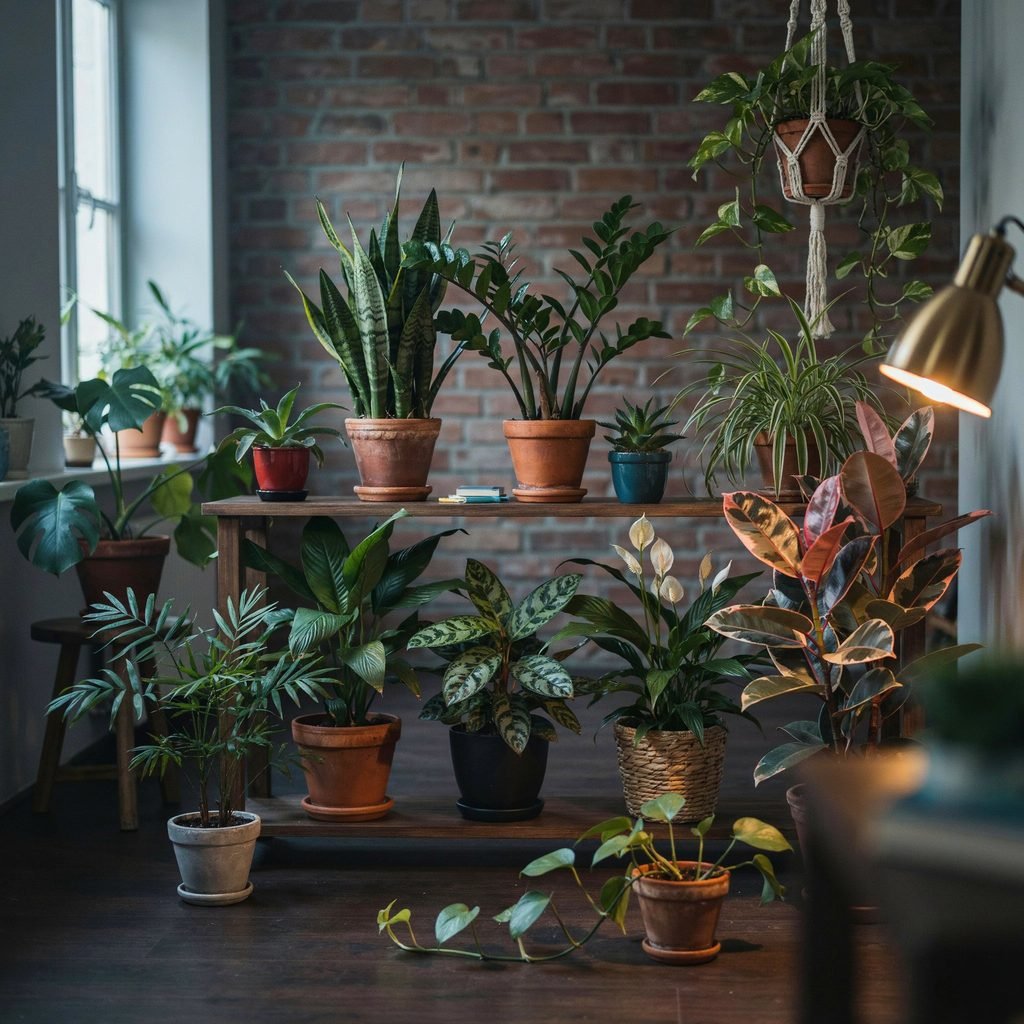
What Makes a Good Low-Light Houseplant?
Before you grab a pot at your local Home Depot or Lowe’s, it helps to know what traits make plants that thrive in low light different from their sun-loving cousins.
The best plants for low-light conditions tend to share a few characteristics:
- Slow growth rate, meaning they use less energy and need less light
- Thick leaves or rhizomes that store water, granting natural drought tolerance
- Tolerance for indirect light rather than a demand for direct sun
- Forgiving watering needs—they’d rather you forget them than drown them
- Adaptability to temperature swings common in apartments and offices
Look for plants that can handle…
- 6–8 feet away from a window with no direct sun hitting the leaves
- Watering every 2–3 weeks (or longer)
- Average indoor temperatures between 60 °F and 75 °F
- Occasional neglect without dropping leaves overnight
The 10 Best Low-Light Houseplants That Are Hard to Kill
1. Snake Plant (Dracaena trifasciata)
Upright, sword-shaped leaves with striking yellow or silvery variegation make the snake plant a sculptural accent for any dim corner. It’s one of the most drought-tolerant houseplants you’ll find.
- Light: Low to medium indirect light; tolerates fluorescent office lighting well.
- Water: Every 2–4 weeks. Let soil dry out completely between waterings.
- Placement: Bedroom corners, entryways, offices. Grows 1–4 feet tall depending on variety.
- Common mistake: Watering on a fixed schedule instead of checking the soil. Root rot sets in fast.
- Pet safety: Toxic to cats and dogs if ingested. Keep out of reach or choose another option.
- Why beginners love it: You can ignore it for a month and it looks exactly the same.
2. ZZ Plant (Zamioculcas zamiifolia)
Glossy, dark-green leaflets on arching stems give the ZZ plant a polished, almost artificial look. Underground rhizomes store water, making it exceptionally forgiving.
- Light: Low to medium indirect light. Avoids direct sun, which scorches leaves.
- Water: Every 2–3 weeks. The rhizomes hold moisture, so err on the dry side.
- Placement: Windowless hallways, low-light office plants setups, shelves 6+ feet from a window.
- Common mistake: Repotting into a container without drainage holes.
- Pet safety: Toxic to cats and dogs. Place on high shelves if pets are present.
- Why beginners love it: Thrives on neglect and stays compact at 2–3 feet tall.
3. Pothos (Epipremnum aureum)
Trailing vines with heart-shaped, marbled leaves make pothos one of the most popular easy-care indoor plants in the US. It adapts to almost any light level short of full sun.
- Light: Low to bright indirect light. Variegation fades in very dim spots.
- Water: When the top 1–2 inches of soil feel dry—roughly every 1–2 weeks.
- Placement: Hanging baskets, bookshelves, bathroom counters. Vines can reach 6–10 feet indoors.
- Common mistake: Letting it sit in soggy soil; yellow leaves signal overwatering.
- Pet safety: Toxic to cats and dogs (calcium oxalate crystals). Not ideal for households with chewing pets.
- Why beginners love it: Fast visible growth, easy propagation in water, and clear “I’m thirsty” signals (slight wilting).
4. Cast Iron Plant (Aspidistra elatior)
The name says it all. The cast iron plant tolerates low light, temperature drafts, and irregular watering better than almost any other shade-tolerant houseplant.
- Light: Low to medium indirect light. Handles deep shade.
- Water: Every 1–2 weeks; let the top inch of soil dry first.
- Placement: Dark hallways, plants for rooms with no windows (with a small LED grow light), north-facing rooms. Reaches 2–3 feet.
- Common mistake: Over-fertilizing, which burns leaf tips.
- Pet safety: Generally considered non-toxic to cats and dogs (ASPCA).
- Why beginners love it: Nearly indestructible; survives conditions that kill other plants.
5. Chinese Evergreen (Aglaonema)
Broad, patterned leaves in greens, silvers, and even pinks bring color to shady spots. It’s a go-to indoor plant for dark rooms that still want visual interest.
- Light: Low to medium indirect light. Darker-leafed varieties handle less light; highly variegated types need a bit more.
- Water: When the top 1–2 inches are dry, roughly every 7–10 days.
- Placement: Living-room side tables, bathrooms with a window, bedrooms.
- Common mistake: Cold drafts below 60 °F cause leaf damage. Keep away from exterior doors in winter.
- Pet safety: Toxic to cats and dogs.
- Why beginners love it: Beautiful foliage with minimal fuss; slow growth means less pruning.
6. Heartleaf Philodendron (Philodendron hederaceum)
Similar to pothos in habit, this trailing vine features deeper-green, velvety leaves. It’s a classic among low-light plants for apartments.
- Light: Low to medium indirect light. Avoids direct afternoon sun.
- Water: Every 1–2 weeks; allow the top inch to dry.
- Placement: Trailing from a 6-foot bookshelf, hanging planters, or climbing a small moss pole.
- Common mistake: Assuming it needs daily misting. Average home humidity is fine.
- Pet safety: Toxic to cats and dogs.
- Why beginners love it: Bounces back quickly from underwatering and grows visibly within weeks.
7. Peace Lily (Spathiphyllum)
Glossy dark leaves and elegant white spathes make the peace Lily a favorite indoor plant for bathrooms and dim living spaces. It also doubles as a visual watering reminder—it droops dramatically when thirsty.
- Light: Low to medium indirect light. Flowers more readily with brighter indirect light.
- Water: Roughly once a week; keep soil lightly moist but never waterlogged.
- Placement: Bathrooms, bedrooms, offices. Grows 1–3 feet tall.
- Common mistake: Letting it sit in a saucer of standing water.
- Pet safety: Toxic to cats and dogs. Keep elevated or skip if pets chew.
- Why beginners love it: Dramatic “tell me you’re thirsty” drooping makes watering timing obvious.
8. Parlor Palm (Chamaedorea elegans)
Feathery, arching fronds give the parlor palm a tropical feel without demanding bright sun. It’s one of the best pet-friendly low-light plants on this list.
- Light: Low to medium indirect light. Avoids direct sun, which yellows fronds.
- Water: When the top 1–2 inches of soil are dry, about every 1–2 weeks.
- Placement: Corners beside a sofa, low-light office plants, bathrooms with a window. Reaches 3–4 feet.
- Common mistake: Overwatering in winter when growth slows.
- Pet safety: Non-toxic to cats and dogs (ASPCA).
- Why beginners love it: Adds instant tropical texture and is safe around curious pets.
9. Lucky Bamboo (Dracaena sanderiana)
Often sold in decorative vases of water and pebbles, lucky bamboo brings a zen aesthetic to desks and shelves. It’s a popular choice for plants for rooms with no windows when paired with a small lamp.
- Light: Bright, indirect light or fluorescent lighting. Avoid direct sun, which yellows stalks.
- Water (in-vase): Change water every 7–10 days; use filtered or distilled water to avoid fluoride burn. If potted in soil, water when the top inch is dry.
- Placement: Office desks, bathroom counters, kitchen windowsills away from direct sun. Usually 1–3 feet tall.
- Common mistake: Leaving stagnant water too long, inviting bacteria and root rot.
- Pet safety: Toxic to cats and dogs if ingested.
- Why beginners love it: No soil mess, minimal space needed, and fun to style in glass containers.
10. Spider Plant (Chlorophytum comosum)
Arching, ribbon-like leaves and baby “spiderettes” make this one of the most recognizable easy houseplants for beginners. It adapts well to lower light, though variegation is best with moderate indirect light.
- Light: Low to bright indirect light. Tolerates fluorescent office lighting.
- Water: When the top 1–2 inches are dry, roughly weekly. Slightly drought-tolerant.
- Placement: Hanging baskets, high shelves, bathrooms. Spreads to about 2 feet wide.
- Common mistake: Using heavily fluoridated tap water, which causes brown tips. Let water sit out overnight or use filtered water.
- Pet safety: Non-toxic to cats and dogs (ASPCA). Still, discourage cats from treating it as a salad bar.
- Why beginners love it: Produces offsets you can snip and share; very forgiving of inconsistent watering.
At-a-Glance Comparison Table
| Plant | Low-Light Tolerance | Watering Frequency | Pet-Friendly? | Best For | Difficulty |
|---|---|---|---|---|---|
| Snake Plant | Low–medium | Let soil dry fully; every 2–4 wks | No – toxic | Bedrooms, offices | Very easy |
| ZZ Plant | Low–medium | Let soil dry fully; every 2–3 wks | No – toxic | Hallways, offices | Very easy |
| Pothos | Low–bright indirect | Top 1–2 in. dry; every 1–2 wks | No – toxic | Hanging baskets, shelves | Very easy |
| Cast Iron Plant | Low–medium | Top 1 in. dry; every 1–2 wks | Yes | Dark rooms, hallways | Very easy |
| Chinese Evergreen | Low–medium | Top 1–2 in. dry; every 7–10 days | No – toxic | Living rooms, bathrooms | Easy |
| Heartleaf Philodendron | Low–medium | Top 1 in. dry; every 1–2 wks | No – toxic | Trailing displays | Very easy |
| Peace Lily | Low–medium | Keep lightly moist; ~weekly | No – toxic | Bathrooms, bedrooms | Easy |
| Parlor Palm | Low–medium | Top 1–2 in. dry; every 1–2 wks | Yes | Corners, offices | Easy |
| Lucky Bamboo | Low–indirect | Change water every 7–10 days | No – toxic | Desks, small spaces | Very easy |
| Spider Plant | Low–bright indirect | Top 1–2 in. dry; ~weekly | Yes | Hanging baskets, bathrooms | Very easy |
How to Care for Low-Light Indoor Plants
The single most important low-light plant care tip: overwatering kills more houseplants than underwatering. In lower light, plants photosynthesize more slowly, use less water, and dry out their soil at a fraction of the rate they would in bright sun.
Check before you water. Push your finger 1–2 inches into the soil. If it feels moist, walk away. A moisture meter ($8–$12 at most garden centers) removes the guesswork.
Drainage is non-negotiable. Every pot needs at least one drainage hole. If you love a decorative cachepot without holes, keep the plant in a plastic nursery pot inside it and dump excess water after each session.
Less light = slower growth = less water. A snake plant near a bright window may need water every two weeks; the same plant in a dim corner might go four to five weeks. Adjust seasonally, too—most low-light houseplants need less water from November through February.
Rotate quarterly. Give the pot a quarter-turn every few months so all sides receive available light evenly.
Dust the leaves. A soft damp cloth once a month removes dust films that block the little light your plant is getting.
No windows? A basic LED grow light (a 10–20 watt full-spectrum bulb in a clamp lamp) set on a 12-hour timer keeps plants like pothos, ZZ, and lucky bamboo healthy in windowless bathrooms or interior offices.
Watch for these signals:
| Symptom | Likely Cause | Fix |
|---|---|---|
| Yellow leaves (lower) | Overwatering / root rot | Let soil dry; check drainage; reduce frequency |
| Brown, crispy leaf tips | Dry air or fluoride in tap water | Use filtered water; add a pebble tray |
| Drooping leaves | Underwatering (peace lily) or overwatering (pothos) | Check soil moisture first, then act |
| Leggy, stretched stems | Too little light | Move 1–2 feet closer to a window or add a grow light |
| Mushy stems / sour smell | Root rot from soggy soil | Repot in fresh, well-draining mix; trim black roots |
| No new growth for months | Dormancy or very low light | Normal in winter; otherwise add indirect light |
Best Low-Light Plants by Room
Bedrooms: Snake plant and parlor palm. Both tolerate cooler nighttime temps around 65 °F and release oxygen at night (snake plant) or simply add calming greenery without demanding attention.
Bathrooms: Peace lily and pothos. They enjoy the extra humidity from showers and handle the lower light typical of small bathroom windows. If the room has no window, add a small LED grow light.
Offices / Cubicles: ZZ plant, lucky bamboo, and spider plant. All handle fluorescent overhead lighting and survive air-conditioned, low-humidity environments.
Small Apartments: Heartleaf philodendron and pothos in hanging planters save floor space while trailing 3–6 feet down a wall. Cast iron plant fills a dim corner without fuss.
Homes with Pets: Parlor palm, spider plant, and cast iron plant are generally considered non-toxic to cats and dogs per the ASPCA’s plant database. Still, if your pet is a dedicated chewer, confirm with your veterinarian and consider placing plants out of reach.
Frequently Asked Questions
What houseplant needs the least amount of light?
The cast iron plant and ZZ plant are widely considered the most tolerant of very low indirect light among common indoor plants for bathrooms and hallways. That said, neither survives in absolute darkness.
Can houseplants survive in a room with no windows?
Not indefinitely on their own. Plants for rooms with no windows need supplemental light. An affordable LED grow light on a 10–12-hour daily timer makes it feasible. Without one, even the toughest plant will decline over several months.
How often should I water low-light houseplants?
There’s no universal schedule. In general, most low-maintenance indoor plants in low light need water every 1–3 weeks. Always check soil moisture first. When in doubt, wait another day—common houseplant mistakes almost always involve watering too often.
Are low-light plants good for bathrooms?
Yes, especially peace lilies, pothos, and spider plants. Bathrooms often provide higher humidity and indirect light, which many shade-tolerant houseplants appreciate. Just ensure there’s at least a small window or an LED light source.
What are the best pet-friendly low-light houseplants?
Parlor palm, spider plant, and cast iron plant top the list. Verify with the ASPCA toxic-plant list or your vet before introducing any new plant to a pet-heavy household.
Can low-light plants live in a north-facing window?
Absolutely. North-facing windows in the Northern Hemisphere provide gentle, indirect light with little direct sun—ideal conditions for indirect light houseplants like Chinese evergreen, pothos, and parlor palm.
Why are my low-light plants turning yellow?
The most frequent cause is overwatering, especially in cooler months when the plant is using less water. Yellow lower leaves paired with consistently damp soil point to root stress. Let the soil dry, verify drainage, and cut back your watering frequency.
Final Thoughts
If you’ve been told you “can’t keep anything alive,” the truth is you probably just haven’t met the right plant yet. Choosing forgiving low-light houseplants and resisting the urge to water them on autopilot covers 90 percent of beginner indoor plant care.
Start small. Pick one or two from this list—a snake plant for the bedroom, a spider plant for the kitchen counter, a parlor palm for the living room corner. Learn its rhythm over a season. Once you’ve kept it thriving for three months, add another.
You don’t need a greenhouse. You don’t need a south-facing bay window. You just need the right hard-to-kill houseplants, a pot with a drainage hole, and the willingness to check the soil before you pour.
What’s your favorite easy-care houseplant, or which one from this list are you trying first? Share it in the comments or tag us on social media. And if you’re ready to level up, check out our guide to Choosing the Right Potting Mix for Every Houseplant.