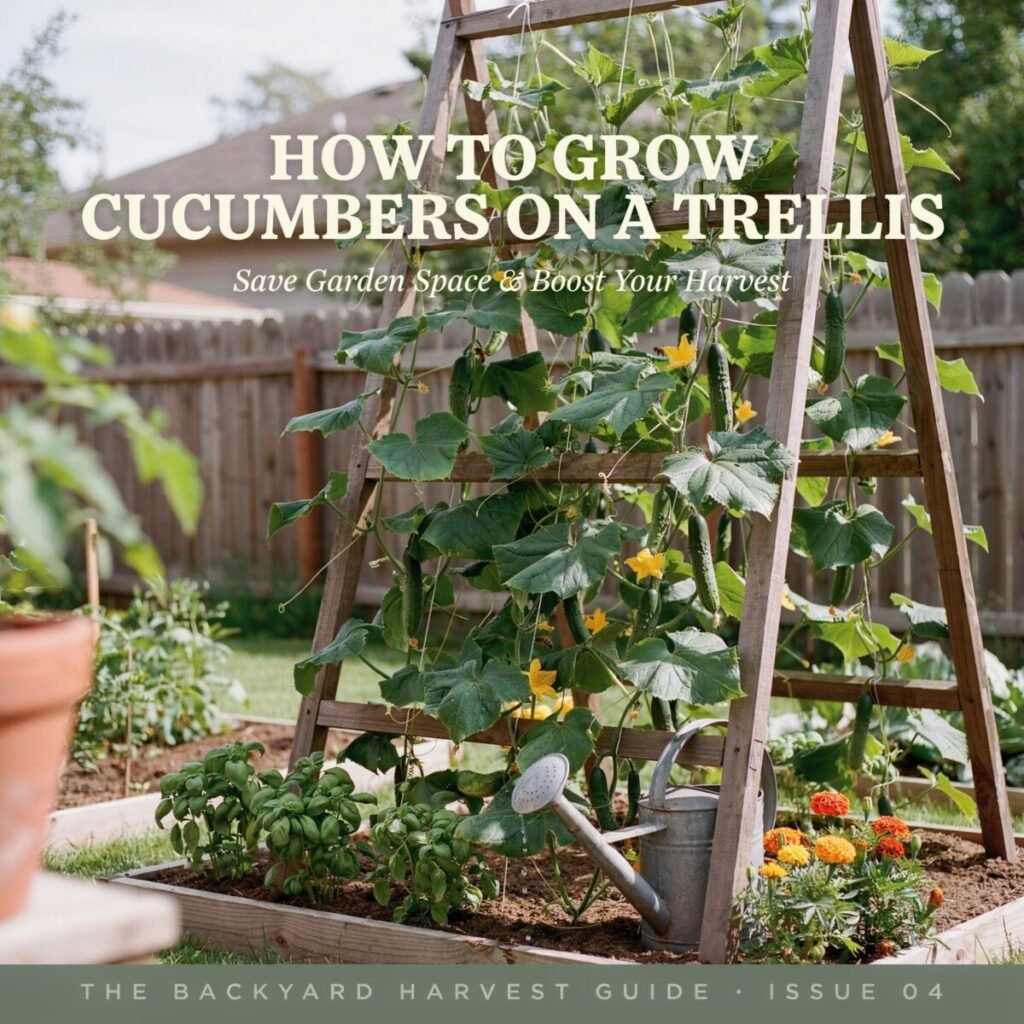
If you’ve ever watched cucumber vines sprawl across your garden like an unruly green carpet, you know the frustration. One plant can easily consume a four-foot circle of precious backyard real estate, shading out neighboring vegetables and making harvest time feel like a jungle expedition. There’s a better way—and it’s been quietly revolutionizing small-space gardening across the United States.
Growing cucumbers on a trellis transforms your garden from a horizontal tangle into a vertical cornucopia. Whether you’re working with a postage-stamp urban plot, a few raised beds in your suburban backyard, or even containers on an apartment balcony, trellising cucumbers is one of the smartest space-saving garden ideas you’ll ever implement. You’ll grow more food in less room, produce straighter and cleaner fruit, fight fewer diseases, and actually enjoy harvest time instead of wrestling with it.
In this guide, we’ll walk you through everything you need to know about how to grow cucumbers on a trellis—from choosing the right varieties and building sturdy supports to training vines and picking perfect cucumbers all summer long.
Why Grow Cucumbers on a Trellis?
Before we dig into the “how,” let’s talk about the “why.” There are compelling reasons that experienced gardeners across America swear by growing cucumbers vertically.
Saves Valuable Garden Space
This is the big one. A single vining cucumber plant allowed to ramble across the ground can spread four to six feet in every direction . Trellis that same plant, and it takes up maybe twelve inches of horizontal space while climbing skyward. For small garden vegetables in limited spaces, that difference is game-changing. You can grow twice as much food in the same footprint or free up room for peppers, tomatoes, herbs, and other backyard vegetable garden favorites.
Keeps Cucumbers Clean and Off the Ground
When cucumbers rest on bare soil, they pick up dirt, develop yellow belly spots, and become vulnerable to rot and slug damage. Trellised cucumbers hang freely in the air, staying clean, uniformly green, and perfectly shaped. No more scrubbing soil off your harvest before it hits the kitchen counter.
Improves Air Circulation in the Garden
Powdery mildew is the scourge of cucumber growers everywhere—that fuzzy white coating that appears on leaves mid-summer and slowly kills your plants. When you improve airflow in garden spaces by growing vertically, leaves dry faster after rain or watering, dramatically reducing fungal disease pressure. Better air movement also reduces garden pests and disease overall by creating a less hospitable environment for many common problems.
Makes Harvesting Effortless
Instead of crawling on your hands and knees, lifting vines, and hunting for hidden cucumbers that have grown into monster-sized seed bombs overnight, you simply walk up to your trellis and snip off perfect fruit at eye level. Your back will thank you, and you’ll harvest more consistently—which matters because frequent picking keeps plants producing.
Produces Straighter, More Uniform Fruit
Gravity does wonderful things to a hanging cucumber. Without the ground pushing against one side, fruits grow long, straight, and uniform—the kind you see in grocery stores and farmer’s market displays.
Best Cucumber Types for Trellises
Not all cucumbers are created equal when it comes to vertical growing. Understanding the difference between vining and bush types is essential for success.
Vining Cucumbers: Your Best Bet for Trellises
Vining cucumbers are the natural climbers of the cucumber world. These vigorous plants send out long, trailing stems covered in tendrils—those curly, grasping appendages that wrap around anything nearby. They’re genetically programmed to climb, making them ideal for trellising cucumbers.
Popular vining varieties that perform beautifully on trellises include:
- Straight Eight – A classic open-pollinated slicing cucumber that grows reliably and produces uniform eight-inch fruits .
- Marketmore 76 – A disease-resistant workhorse that thrives in varied US climates and produces abundantly on vertical supports.
- Dasher II – Specifically recommended for fence or trellis growing, producing excellent slicers .
- Homemade Pickles – A prolific pickling cucumber that climbs enthusiastically and produces heavily .
- Burpless Beauty – Known for crisp, seedless fruit on vines that do best when supported by a trellis .
- Monika – A vigorous European-style cucumber that climbs well and produces slender, sweet fruit .
- Beth Alpha – A favorite Middle Eastern type with exceptional flavor and strong climbing habit .
- Tendergreen – A reliable burpless variety that performs well vertically .
Bush Cucumbers: Better for Containers Without Trellises
Bush varieties have been bred for compact growth. They produce short, stubby vines that don’t climb well. While some gardeners successfully stake bush types, you’ll generally get better results growing them in containers or small raised beds where their natural habit works in your favor.
Look for bush varieties like Picklebush, Bush Crop, Salad Bush, or Spacemaster if you’re doing container gardening without trellis support.
Choosing Compact Varieties for Small Spaces
If you’re working with truly limited space—a patio container, a narrow raised bed, or an urban balcony—look for varieties specifically bred for compact growth that still have vining characteristics. Mini Muncher produces snack-sized fruits on plants that climb well without becoming overwhelming . These compact vining types give you the best of both worlds: vertical growth without massive vines.
How to Set Up a Cucumber Trellis
Your trellis is the backbone of your vertical growing system. Get this right, and everything else becomes easier. Here are the most popular and effective trellis options for US gardens.
A-Frame Trellis
The A-frame is one of the most popular DIY cucumber trellis designs because it’s simple, sturdy, and self-supporting. You lean two rectangular panels against each other, creating a peak, and plant cucumbers on both sides.
How to build one:
- Cut two pieces of wire mesh or cattle panel, each about five feet wide and four feet tall.
- Lean them against each other at the top, forming an “A” shape.
- Secure the peak with zip ties, wire, or rope.
- Anchor the base with stakes or heavy rocks.
- Plant cucumbers along both sides, about twelve inches from the base.
A-frames work beautifully in raised beds and can even support small melons alongside your cucumbers .
Cattle Panel Trellis
Cattle panels—those heavy-gauge welded wire panels used in livestock fencing—make exceptional, long-lasting cucumber supports. They’re rigid, won’t sag under the weight of mature vines, and last for years.
Setup tips:
- Cut panels to desired length (typically four to eight feet)
- Drive T-posts or wooden stakes into the ground every three to four feet
- Attach the panel to the posts with heavy-duty zip ties or wire
- Plant cucumbers at the base, spacing them twelve to eighteen inches apart
Wire Mesh Trellis
Garden wire mesh, hardware cloth, or concrete reinforcing wire work well for budget-conscious gardeners. Install wooden or metal posts at each end of your row, stretch the mesh tightly between them, and secure with staples or wire. This creates a simple, effective wall for vines to climb.
Tomato Cage Alternatives
Standard tomato cages often aren’t tall enough for vigorous cucumber vines, which can easily grow five to six feet . However, you can stack two cages, use extra-tall cages, or create teepee structures with three or four tall cages wired together at the top. These work well for container gardening and small raised bed setups.
DIY Wooden Trellis
For gardeners who prefer a more natural aesthetic, a wooden trellis built from lumber and twine or jute netting can be both functional and beautiful . Build a simple rectangular frame from 2x2s or 1x3s, then criss-cross the interior with biodegradable twine in a grid pattern. Vines grip the twine easily, and the whole structure can be composted or reused season after season.
Critical Setup Considerations
Regardless of which style you choose, keep these factors in mind:
Height: Aim for at least five to six feet of climbing space . Vining cucumbers can easily reach this height, and anything shorter means vines will flop over the top and create a tangled mess.
Stability: A mature cucumber plant loaded with fruit is heavy. Your trellis must withstand not just the weight but also summer wind and rain. Drive stakes deep, use sturdy materials, and don’t skimp on anchors.
Sun exposure: Place your trellis in full sun—at least six to eight hours of direct sunlight daily. Orient north-south if possible so plants on both sides receive adequate light.
Access: Leave enough room to walk along at least one side of the trellis for easy harvesting and maintenance.
How to Plant Cucumbers for Vertical Growth
Once your trellis is up, it’s time to get those cucumbers in the ground.
Soil Preparation
Cucumbers are heavy feeders that thrive in rich, well-draining soil. Before planting:
- Work two to four inches of compost or well-rotted manure into the top six inches of soil
- Ensure pH is between 6.0 and 7.0 (slightly acidic to neutral)
- Add a balanced organic fertilizer according to package directions
- Break up any compacted areas to encourage deep root growth
For raised bed gardening, fill beds with a quality mix of topsoil, compost, and coconut coir or peat moss for optimal drainage and moisture retention.
Spacing
This is where trellising really shines. Instead of spacing cucumber plants three to four feet apart in all directions (as you would for ground-growing), you can plant them much closer together:
- Trellised spacing: Plant cucumbers twelve to eighteen inches apart at the base of your trellis
- Row spacing: If you have multiple trellis rows, leave three to four feet between them
Closer spacing works because vines grow upward rather than outward, and improved air circulation prevents the disease problems that plague crowded, sprawling plants.
When to Plant
Cucumbers are warm-season crops that despise cold soil. In most US growing zones:
- Wait until soil temperatures reach at least 70°F before planting
- This typically means two to three weeks after your last spring frost date
- Use a soil thermometer to check—guessing can lead to poor germination or seed rot
Direct Sowing vs. Transplanting
Direct sowing is generally preferred for cucumbers because their roots are sensitive to disturbance:
- Plant seeds one inch deep
- Place two to three seeds per planting spot
- Thin to the strongest seedling once plants have two true leaves
- Space final plants according to trellis spacing recommendations
Transplanting works if you want to get a head start in short-season northern climates:
- Start seeds indoors two to three weeks before your outdoor planting date
- Use biodegradable pots to minimize root disturbance
- Handle seedlings extremely gently when transplanting
- Water thoroughly and provide shade for a day or two to reduce transplant shock
Mulching
Apply two to three inches of organic mulch—straw, shredded leaves, or grass clippings—around the base of your plants after they’re established. Mulch conserves moisture, suppresses weeds, keeps soil temperatures even, and prevents soil from splashing onto lower leaves during watering.
How to Train Cucumber Vines
Here’s where many beginners get confused. Cucumbers climb using tendrils, not by twining around supports like pole beans or morning glories. Those delicate, curling tendrils need something thin enough to grab onto.
Guiding Early Growth
When your cucumber plants are young and just beginning to send out vines:
- Gently lean the growing tip toward the trellis
- Use soft plant ties, strips of old t-shirt, or garden twine to loosely secure the main stem to the trellis
- Tie in a figure-eight pattern—around the stem and around the trellis—leaving room for growth
- Check ties weekly and loosen or replace them as stems thicken
Working with Tendrils
Once vines reach the trellis, they’ll start putting out tendrils that automatically wrap around anything they touch. You can help this process along by:
- Weaving vine tips through trellis openings
- Gently positioning tendrils near support wires or twine
- Checking daily during peak growth to redirect wayward vines
Ongoing Training
As the season progresses, vines can grow several inches per day during warm weather. Plan to spend a few minutes every two to three days checking and redirecting growth:
- Tuck new growth back onto the trellis if it wanders
- Prune side shoots (laterals) if vines become too dense
- Remove any leaves that are touching the soil
How to Train Cucumber Vines: Quick Steps
- Week 1-2: Secure young stems loosely to trellis with soft ties
- Week 3-4: Guide growing tips upward, helping tendrils find support
- Ongoing: Check vines every 2-3 days, tucking wayward growth back onto structure
- Mid-season: Prune excess foliage to maintain airflow and prevent overcrowding
- Throughout: Remove any yellowing or diseased leaves promptly
Watering, Feeding, and Ongoing Care
Vertical cucumber plants have different care needs than their sprawling cousins, particularly when it comes to water and nutrients.
Watering for Healthy Vines
Cucumbers are ninety-five percent water, so consistent moisture is non-negotiable. Here’s how to get it right:
- Deep watering: Water deeply two to three times per week rather than shallow sprinkles daily
- Consistent moisture: Soil should feel like a wrung-out sponge—moist but not waterlogged
- Morning watering: Water early in the day so leaves dry before evening, reducing disease risk
- Base watering: Aim water at the soil level, not over the leaves, to prevent fungal issues
- Container considerations: Potted cucumbers may need daily watering during hot spells—check soil moisture with your finger
Drip irrigation or soaker hoses are ideal for trellised cucumbers because they deliver water directly to roots without wetting foliage.
Fertilizing Cucumber Plants
Cucumbers are hungry crops that benefit from regular feeding:
- At planting: Mix balanced organic fertilizer into soil before sowing or transplanting
- When vines start running: Side-dress with compost or apply liquid fertilizer
- During heavy production: Feed every two to three weeks with balanced liquid fertilizer or compost tea
- Signs of hunger: Pale leaves, slow growth, or poor fruit set indicate need for additional nutrients
Avoid high-nitrogen fertilizers once plants start flowering—too much nitrogen promotes leafy growth at the expense of fruit production.
Pruning for Better Results
Strategic pruning helps trellised cucumbers stay productive and healthy:
- Lower leaves: Remove the bottom six to twelve inches of leaves once plants are established to improve airflow and prevent soil-borne diseases from splashing up
- Suckers: Pinch off lateral shoots that emerge from leaf axils if vines become too dense
- Damaged foliage: Immediately remove yellowing, spotted, or diseased leaves
- End of season: Prune back growing tips a few weeks before first expected frost to encourage final fruit to mature
Watching for Pests
Cucumber beetles are the primary pest concern for US gardeners. These small yellow-and-black striped or spotted beetles:
- Chew holes in leaves and flowers
- Transmit bacterial wilt, a devastating disease
- Are most active in early summer
Prevention and control:
- Use row covers until plants flower (remove for pollination)
- Hand-pick beetles early in the morning when they’re sluggish
- Apply kaolin clay or neem oil as deterrents
- Plant trap crops like Blue Hubbard squash nearby
- Encourage beneficial insects like ladybugs and parasitic wasps
Aphids, spider mites, and squash bugs can also trouble cucumbers. Regular inspection—especially under leaves—catches problems early when they’re easiest to manage.
Common Mistakes to Avoid
Even experienced gardeners make these errors when first trying trellised cucumbers. Save yourself frustration by sidestepping them.
Using Too Small a Trellis
This is the number-one beginner mistake. That cute little three-foot trellis looks perfect in spring, but by mid-July your vines have conquered it and are flopping everywhere. Always err on the side of too tall rather than too short. Five to six feet minimum, with sturdy construction throughout .
Crowding Plants
Yes, you can space trellised cucumbers closer than ground-growing types, but there’s still a limit. Plants packed too tightly compete for light, water, and nutrients, and create the dense, humid conditions that invite disease. Respect the twelve to eighteen inch spacing guideline .
Letting the Soil Dry Out
Cucumbers stressed by drought produce bitter fruit and become magnet for pests. Inconsistent moisture also causes fruit to grow misshapen. Don’t wait for leaves to wilt before watering—by then, you’ve already stressed your plants. Check soil moisture regularly and water before plants show signs of thirst.
Choosing the Wrong Variety
Planting bush cucumbers and expecting them to climb your trellis leads to disappointment. Always check seed packets or plant tags for “vining” habit if you want vertical growth. Conversely, if you’re container gardening without support, choose bush varieties that won’t outgrow their space.
Not Securing the Trellis Properly
A trellis loaded with mature vines, wet foliage, and developing fruit can weigh over a hundred pounds. Add summer thunderstorm winds, and you’ve got a recipe for collapse. Install trellises before planting (not after), drive supports deep, and test stability with firm pushing before trusting it with your crop.
Ignoring Training in Early Stages
Those first few weeks after vines start running are critical. If you don’t guide growth onto the trellis early, vines will wander in all directions and become nearly impossible to untangle later. Spend a few minutes daily during this establishment period—it pays dividends all season.
Harvesting Cucumbers
The moment you’ve been waiting for! Proper harvesting technique keeps your plants productive for months.
When to Pick
Cucumber size at harvest depends on variety and intended use:
- Pickling cucumbers: Harvest at two to four inches long for crisp, seedless pickles
- Slicing cucumbers: Pick at six to eight inches, before seeds become large and hard
- Burpless/Asian types: Harvest when twelve to fifteen inches long but still slender and firm
Signs of readiness:
- Firm throughout with no soft spots
- Uniform dark green color (variety-dependent)
- Skin that resists gentle pressure from fingernail
- No yellowing at blossom end
Why Frequent Harvesting Matters
This is the secret to massive cucumber yields: the more you pick, the more the plant produces. When you leave mature fruit on the vine, the plant receives a biological signal that its reproductive mission is accomplished and slows down production. Harvest every one to two days during peak season to keep plants in active production mode.
How to Harvest Cucumbers Properly
- Use clean, sharp pruners or scissors—don’t pull or twist fruits, which can damage vines
- Cut the stem about a quarter-inch above the fruit
- Check plants thoroughly, as cucumbers can hide behind leaves
- Harvest in the morning when fruits are crisp and hydrated
- Refrigerate immediately for best quality and longest storage
What to Do with Oversized Cucumbers
We all miss one sometimes. If you find a cucumber that’s grown too large:
- Harvest it anyway to encourage continued production
- Use oversized slicers for cucumber water, gazpacho, or relish
- Let one or two plants go to seed if you want to save seeds for next year
- Compost truly overgrown, seedy specimens
Final Tips for Small-Space Success
Ready to maximize your harvest? Here are practical cucumber growing tips that bring everything together.
Companion Planting
Make the most of vertical space by planting compatible crops at the base of your trellis:
- Nasturtiums repel cucumber beetles and look beautiful
- Radishes mature quickly before vines shade them out
- Bush beans fix nitrogen and don’t compete for vertical space
- Lettuce and spinach appreciate afternoon shade provided by cucumber vines
Succession Planting
Don’t put all your eggs in one basket—or all your cucumbers in one planting. Stagger plantings every two to three weeks from late spring through early summer for continuous harvest rather than overwhelming abundance followed by nothing.
Season Extension
In northern US climates, use your trellis to extend the growing season:
- Start early with transplants and protective row covers
- Plant a second crop in mid-summer for fall harvest
- Use frost cloth to protect vines during early fall cold snaps
Record Keeping
Keep notes on what worked and what didn’t:
- Which varieties performed best in your climate
- When you planted and first harvested
- Pest and disease issues you encountered
- Trellis designs that held up well
This information becomes invaluable for improving your garden year after year.
Embrace Easy Vegetables to Grow in a Small Garden
Cucumbers on a trellis exemplify what makes small-space gardening so rewarding. They’re productive, relatively easy to grow, and give you that satisfying feeling of walking out your back door to harvest fresh food for dinner. Once you master trellised cucumbers, apply the same vertical thinking to pole beans, peas, indeterminate tomatoes, and small-fruited squash.
Frequently Asked Questions
What is the best trellis for cucumbers?
The best trellis depends on your space and budget. For most backyard vegetable gardens, cattle panel trellises offer the best combination of durability, height, and cost-effectiveness. A-frame trellises work well for raised beds, while wire mesh or DIY wooden trellises suit budget-conscious gardeners. The key is choosing something at least five to six feet tall with sturdy construction .
How tall should a cucumber trellis be?
Aim for a minimum height of five to six feet . Vining cucumbers easily grow this tall, and shorter trellises mean vines will cascade over the top and create a tangled mess. In areas with long growing seasons or when growing particularly vigorous varieties, consider going up to seven feet.
Can cucumbers grow in containers with a trellis?
Absolutely! Container gardening with trellised cucumbers works beautifully. Use a container at least twelve inches deep and wide, fill with quality potting mix, and provide a sturdy trellis anchored into the container or placed behind it. Compact vining varieties like Mini Muncher work particularly well in pots . Just remember that container plants need more frequent watering and fertilizing than in-ground plants.
Do cucumbers grow better on a trellis or on the ground?
For most home gardeners, cucumbers grow better on a trellis. Trellised plants produce straighter, cleaner fruit, suffer less from disease due to improved air circulation, take up far less garden space, and are much easier to harvest. The main advantage of ground-growing is that it requires less infrastructure, but you sacrifice yield quality and quantity per square foot.
How do you keep cucumber vines climbing?
Cucumber vines climb using tendrils that grasp thin supports. To keep vines climbing:
- Guide young vines onto the trellis and secure loosely with soft ties
- Check plants every two to three days and redirect wayward growth
- Ensure your trellis has thin enough elements for tendrils to grab (wire, twine, or thin wooden slats work well)
- Prune side shoots if vines become too bushy and stop putting energy into upward growth
Should I prune cucumber plants on a trellis?
Yes, strategic pruning helps. Remove lower leaves within six to twelve inches of the soil to improve airflow and reduce disease. Pinch off excessive lateral shoots if vines become too dense. Remove any yellowing, damaged, or diseased leaves immediately. However, don’t over-prune—cucumber plants need plenty of leaves for photosynthesis to support fruit production.
How many cucumbers can one trellised plant produce?
A healthy trellised cucumber plant can produce ten to twenty pounds of fruit over a season, depending on variety, growing conditions, and how consistently you harvest. Some vigorous varieties in ideal conditions can produce even more. The key is regular picking—every one to two days during peak production—to keep plants producing rather than shutting down.
Can I grow cucumbers vertically in shade?
Cucumbers need full sun—six to eight hours of direct sunlight daily—for best production. While they can tolerate partial shade (especially afternoon shade in hot southern climates), reduced light means lower yields and increased disease susceptibility. If your garden is mostly shady, consider sun-loving vegetables that tolerate shade better, like leafy greens, or use containers that can be moved to follow the sun.
Ready to Transform Your Garden?
Growing cucumbers on a trellis is one of those gardening techniques that delivers benefits far beyond what you’d expect from such a simple change. You’ll save space, reduce disease, harvest with ease, and produce beautiful, uniform fruit—all while watching your garden grow upward in ways that feel almost magical.
Start with a sturdy trellis suited to your space, choose vining varieties that match your growing conditions, and commit to the simple daily maintenance that keeps vines climbing and producing. Whether you’re working with a sprawling suburban backyard, a compact urban lot, or a collection of containers on a sunny patio, vertical cucumber growing opens up possibilities you might never have imagined.
The best time to set up your trellis is now, before planting season arrives. The second-best time? Right after you finish reading this article. Your future self—and your future cucumber harvests—will thank you.
Happy gardening, and may your vines climb high and your harvests be abundant!