Imagine stepping into your kitchen on a cold, snowy January morning and snipping fresh, crisp lettuce right from your countertop. Sounds like a dream? It’s actually easier than you think. For US households looking to enjoy fresh salads without relying on expensive, wilted grocery store produce, indoor lettuce growing is a game-changer. With the right setup, you can grow lettuce indoors and enjoy a continuous, year-round lettuce harvest regardless of the weather outside.
Whether you live in a small apartment in New York or a sprawling house in the suburbs of Chicago, container gardening indoors allows you to take control of your food. By utilizing a proper lettuce grow light setup, you bypass the limitations of seasons and short winter days. In this comprehensive guide, we’ll walk you through everything you need to know about how to grow lettuce from seed indoors, from selecting the best grow lights for lettuce to mastering the art of harvesting. Let’s dive into the rewarding world of indoor vegetable gardening and get those leafy greens indoors thriving!
Why Grow Lettuce Indoors?
Why should you bother with leafy greens indoors when you can just buy a bag of salad at the supermarket? The benefits of indoor vegetable gardening go far beyond just having a fun hobby.
First and foremost is freshness and flavor. Store-bought lettuce is often harvested weeks before it reaches your plate, losing nutrients and crispness along the way. When you grow lettuce indoors, you harvest it minutes before eating, ensuring maximum flavor and nutritional value.
Second, it’s incredibly space-saving. You don’t need a sprawling backyard to enjoy homegrown produce. A simple shelf or a dedicated grow room for lettuce in a spare corner is all you need. This makes it perfect for urban dwellers or anyone with limited outdoor space.
Third, you have complete control over what goes into your food. No harsh pesticides, no mysterious fertilizers—just clean, healthy lettuce growth that you can trust.
Finally, there’s the joy of a year-round lettuce harvest. When you grow lettuce in winter, you beat the seasonal blues. Watching vibrant green leaves sprout and flourish while snow falls outside is one of the most satisfying aspects of year-round indoor gardening. Plus, it’s highly cost-effective. A packet of seeds and some basic supplies can yield dozens of heads of lettuce over time, saving you money on those pricey plastic clamshells of indoor salad greens.
Best Lettuce Varieties for Indoor Growing
Not all lettuce is created equal, especially when it comes to indoor lettuce growing. While you can technically grow any variety, some are much better suited for the confines of a grow tent or a countertop setup.
- Leaf Lettuce: This is the undisputed champion of indoor growing. Varieties like Black Seeded Simpson, Red Sails, and Salad Bowl grow quickly, don’t require a lot of vertical space, and are perfect for the “cut-and-come-again” harvesting method.
- Butterhead (Boston and Bibb): These form loose, tender heads and have a delightfully sweet, buttery texture. They take a bit longer to mature than leaf lettuce but are well worth the wait for their exceptional flavor.
- Romaine: If you prefer a crunchier texture, mini romaine varieties like Little Gem or Parris Island are excellent choices. They grow upright, which can be great if you have limited horizontal space but plenty of vertical clearance under your vegetable grow lights.
- Loose-Leaf and Mesclun Mixes: Buying a mesclun seed mix gives you a variety of textures and colors in one planting. These are fast-growing and ideal for beginners wanting quick results.
Avoid large heading varieties like Iceberg. They take up too much space, require a long growing season, and simply aren’t practical for most indoor setups. Stick to compact, fast-maturing types to ensure healthy lettuce growth and maximize your yield.
What You Need to Grow Lettuce Indoors
Before you plant your first seed, you’ll need to gather your supplies. Fortunately, the barrier to entry for indoor gardening tips and tricks is quite low. Here is your essential checklist:
- Containers: You don’t need fancy pots. Shallow seed-starting trays, recycled plastic containers (with drainage holes poked in the bottom), or long, narrow window boxes work perfectly. Lettuce has shallow roots, so a depth of 4 to 6 inches is plenty.
- Potting Mix: Use a high-quality, well-draining seed-starting mix or indoor potting soil. Avoid using garden soil, as it is too heavy, may contain pests, and doesn’t drain well in containers.
- Seeds: Pick your favorite varieties from a reputable seed supplier.
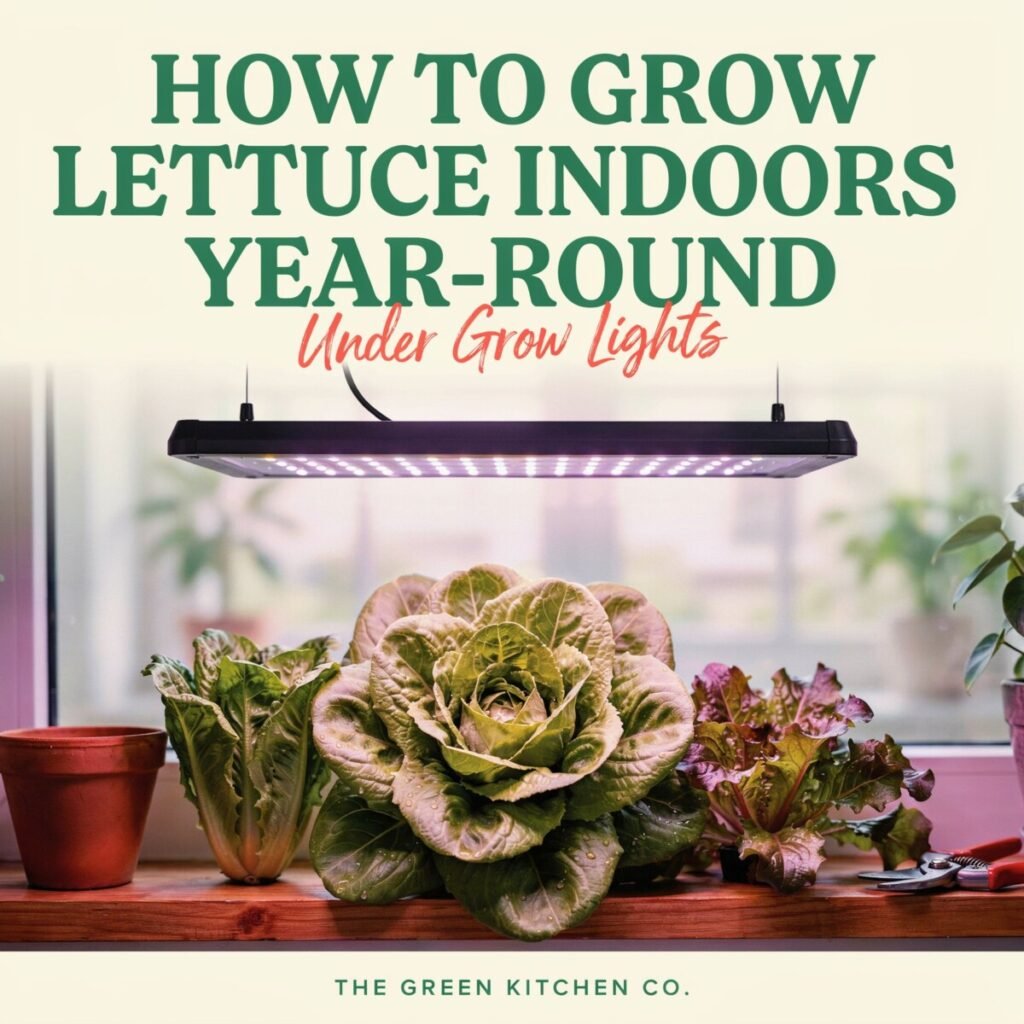
- Grow Lights: This is the most critical investment. The best grow lights for lettuce are full-spectrum LED grow lights for lettuce. They run cool, are energy-efficient, and provide the exact light spectrum leafy greens need to photosynthesize efficiently. Fluorescent T5 tubes are a budget-friendly alternative, but LEDs are the modern standard.
- Watering Tools: A gentle watering can with a fine rose attachment or a simple spray bottle is essential for watering delicate seedlings without washing them away.
- Timer: An automatic outlet timer is a must-have for your lettuce grow light setup to ensure your plants get a consistent light cycle.
- Optional – Hydroponics: If you want to get advanced, hydroponic lettuce growing is highly effective. Systems like the Kratky method or NFT (Nutrient Film Technique) can yield massive harvests without soil, though they require a steeper learning curve and more precise nutrient management.
How to Set Up Grow Lights for Lettuce
Light is the most crucial factor when you grow lettuce indoors. Without adequate light, your seedlings will become “leggy”—stretching thin and weak as they desperately search for the sun. Here is how to perfect your lettuce grow light setup:
- Light Spectrum: Leafy greens thrive under blue-heavy or balanced full-spectrum light. Full-spectrum LED grow lights for lettuce mimic natural sunlight and are ideal for vegetative growth. You don’t need the heavy red spectrums used for flowering fruiting plants like tomatoes.
- Light Intensity and Distance: Lettuce doesn’t require the intense, scorching light that peppers or cannabis need. Hang your vegetable grow lights about 6 to 12 inches above the canopy of the plants. As the lettuce grows, raise the lights to maintain this distance. If the lights are too far, the plants stretch; if they are too close, the leaves might burn or dry out.
- Light Duration: Lettuce is a cool-season crop and doesn’t need 24 hours of light. Aim for 12 to 16 hours of light per day, followed by 8 to 12 hours of uninterrupted darkness. Plants need a dark period to respire and grow properly. Hook your lights up to a cheap mechanical or digital timer to automate this process.
- Airflow: While setting up your lights, consider adding a small, gentle oscillating fan nearby. A light breeze strengthens the plant stems, preventing legginess and mimicking natural outdoor conditions. This is one of the most overlooked indoor gardening tips for healthy lettuce growth.
How to Plant Lettuce Seeds Indoors
Now that your grow room for lettuce is prepped, it’s time to plant! Learning how to grow lettuce from seed indoors is incredibly straightforward.
- Prepare the Containers: Fill your shallow trays or pots with moistened seed-starting mix. The soil should be damp like a wrung-out sponge, not soaking wet.
- Sow the Seeds: Lettuce seeds are tiny. Sprinkle them evenly across the surface of the soil. Don’t overcrowd them, but don’t stress too much about perfect spacing just yet.
- Cover Lightly: Unlike many seeds that need deep darkness to germinate, lettuce seeds actually require a little bit of light to sprout. Gently press them into the soil and dust a very fine, barely-there layer of soil or vermiculite over them—no more than 1/8 of an inch deep.
- Water and Cover: Mist the surface gently with a spray bottle to ensure good seed-to-soil contact. Cover the tray with a clear plastic humidity dome or plastic wrap to trap moisture.
- Germination: Place the tray under your lights (or in a warm spot until they sprout). Lettuce germinates best at cooler temperatures, around 60°F to 70°F. You should see sprouts in 3 to 7 days. Once they emerge, remove the humidity dome immediately to prevent mold and ensure the lights are positioned correctly.
How to Care for Indoor Lettuce
Once your seedlings are up, the real fun begins. Caring for leafy greens indoors is relatively low-maintenance, but consistency is key.
- Thinning: This is the hardest part for beginners, but it’s necessary. Once the seedlings have a couple of true leaves, thin them out so they are spaced about 3 to 4 inches apart. Snip the weaker seedlings at the soil line with scissors (don’t pull them, or you’ll disturb the roots of the keepers). You can eat the thinned microgreens in a salad!
- Watering: Lettuce is mostly water, so it needs consistent moisture. However, soggy soil leads to root rot. Check the soil daily; water when the top inch feels dry. Always water from the bottom or at the base of the plant to keep the leaves dry, which prevents fungal diseases.
- Temperature and Humidity: Lettuce loves it cool. Ideal daytime temperatures are between 60°F and 70°F, with nighttime temps dropping to around 50°F to 55°F. If your house is very warm, your lettuce might taste bitter. Standard indoor humidity (around 40-50%) is usually perfect.
- Fertilizing: If you used a high-quality potting mix, you might not need to fertilize for the first few weeks. After that, feed your plants every two weeks with a diluted, balanced liquid organic fertilizer (like fish emulsion or a specialized indoor plant food). Because you are harvesting the leaves, a nitrogen-rich fertilizer promotes lush, green, healthy lettuce growth.
How to Harvest Lettuce Indoors
One of the greatest joys of indoor harvesting greens is the “cut-and-come-again” method. This technique allows you to harvest from the same plant multiple times, extending your yield significantly.
- When to Harvest: You can start harvesting baby leaves when they are about 3 to 4 inches tall, usually 3 to 4 weeks after planting.
- How to Harvest: Using clean, sharp scissors, snip the outer, older leaves about an inch above the soil line. Leave the inner, younger leaves and the central growing crown completely intact. The plant will continue to push out new growth from the center.
- Continuous Supply: To ensure a true year-round lettuce harvest, practice succession planting. Sow a new batch of seeds in a separate tray every 2 to 3 weeks. By the time you finish harvesting your first tray, the second one will be ready. This staggered approach guarantees you never run out of fresh indoor salad greens.
Common Problems and How to Fix Them
Even with the best indoor gardening tips, you might run into a few hiccups. Here is how to troubleshoot common issues when growing lettuce under grow lights:
- Leggy Seedlings: If your plants are tall, thin, and falling over, they aren’t getting enough light. Lower your LED grow lights for lettuce so they are closer to the canopy, or increase the daily light duration.
- Yellowing Leaves: This usually indicates a nutrient deficiency, most commonly nitrogen. Apply a diluted liquid fertilizer. It can also be a sign of overwatering, so check your soil drainage.
- Bitter Taste or Bolting: If the leaves taste bitter or the plant suddenly shoots up a tall central stalk (bolting), it’s stressed. This is usually caused by temperatures that are too hot, inconsistent watering, or too much light. Keep your grow room for lettuce cool and maintain a strict watering schedule.
- Mold or Damping Off: If seedlings suddenly topple over with pinched, blackened stems, they have “damping off,” a fungal disease caused by overly wet soil and poor airflow. Remove affected plants immediately, let the soil dry out slightly, and add a gentle fan to improve air circulation.
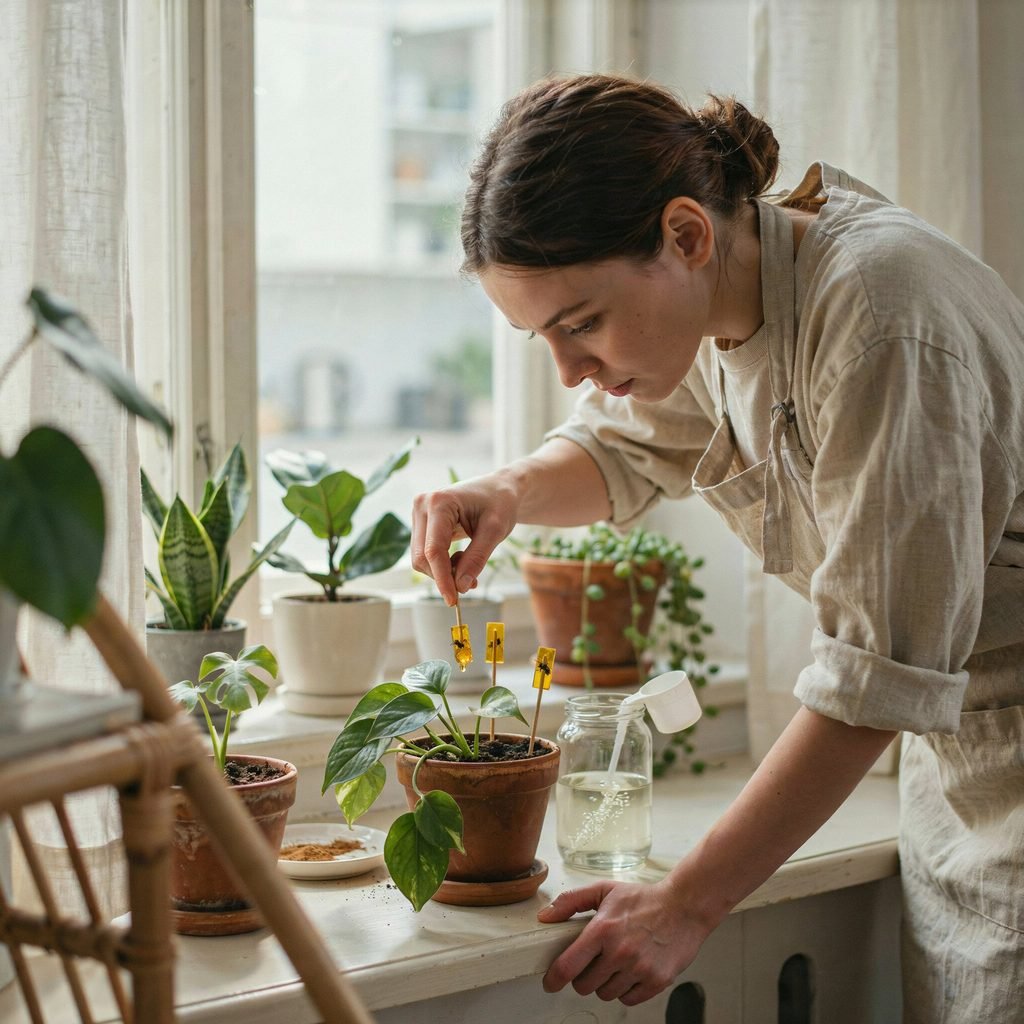
- Pests: While rare indoors, aphids or fungus gnats can sometimes hitch a ride on your clothes or new plants. Use yellow sticky traps for gnats and a mild insecticidal soap or neem oil spray for aphids.
Can You Grow Lettuce Indoors Year-Round?
Absolutely! The beauty of indoor vegetable gardening is that you are entirely in control of the environment. Nature dictates that lettuce is a cool-season crop that bolts in the heat of summer and freezes in the dead of winter. But indoors, you dictate the season.
By utilizing a reliable lettuce grow light setup, you eliminate the dependency on the sun. This is especially crucial if you want to grow lettuce in winter when daylight hours are scarce. Whether it’s the sweltering heat of an Arizona July or the freezing blizzards of a Minnesota January, your indoor garden remains a perfect, climate-controlled oasis. Year-round indoor gardening is not just a theory; it is a highly practical, rewarding lifestyle choice that puts fresh, healthy food on your table 365 days a year.
Conclusion
Growing lettuce indoors under grow lights is one of the most accessible, rewarding, and practical entry points into the world of home gardening. It requires minimal space, yields incredibly fast results, and provides you with a continuous supply of crisp, delicious, and pesticide-free salads. By choosing the right compact varieties, investing in quality LED grow lights for lettuce, and following simple care routines, anyone can master the art of indoor lettuce growing.
Don’t let the weather outside dictate what’s on your plate. Set up your trays, flip on those vegetable grow lights, and start your journey toward a year-round lettuce harvest today. Your future self—and your tastebuds—will thank you!
Frequently Asked Questions (FAQs)
How long does it take to grow lettuce indoors under lights?
Most leaf lettuce varieties are ready for their first “baby leaf” harvest in about 30 to 40 days from seed. Full heads may take 50 to 60 days.
Do I need special grow lights, or will any LED work?
While any bright light will help, the best grow lights for lettuce are full-spectrum LED grow lights specifically designed for plants. Standard household LED bulbs do not provide the balanced spectrum needed for optimal photosynthesis and healthy lettuce growth.
Can I grow lettuce indoors without soil?
Yes! Hydroponic lettuce growing is incredibly popular and highly efficient. Systems like the Kratky method or AeroGardens use nutrient-rich water instead of soil, often resulting in faster growth and higher yields, though they require monitoring pH and nutrient levels.
Why is my indoor lettuce tasting bitter?
Bitterness is usually a sign of stress. The most common culprits are temperatures that are too warm, inconsistent watering (letting the soil dry out completely), or the plant beginning to bolt (go to seed). Keep your indoor salad greens cool and consistently moist.
How many hours of light do indoor lettuce plants need?
Lettuce thrives on 12 to 16 hours of light per day. It is highly recommended to use an automatic timer for your lettuce grow light setup to ensure the plants also get 8 to 12 hours of vital darkness to rest and respire.