There is something deeply satisfying about stepping into your own backyard, snipping a few sprigs of fragrant basil or rosemary, and bringing them straight into your kitchen. If you have ever dreamed of growing herbs at home but felt intimidated by the prospect of gardening, you are not alone. Many aspiring green thumbs assume that cultivating a lush, productive garden requires a natural talent, acres of land, and hours of daily labor. The truth is, a backyard herb garden is one of the most accessible, rewarding, and cost-effective projects you can undertake.
Whether you are a homeowner looking to elevate your culinary creations, a DIY enthusiast seeking a new weekend project, or a cooking enthusiast who simply loves the vibrant taste of fresh herbs, learning how to start an herb garden is easier than you might think. With the right location, a little bit of soil preparation, and the right plant choices, even absolute beginners can cultivate a thriving outdoor herb garden. In this comprehensive guide, we will walk you through every step of the process, providing actionable herb gardening tips to ensure your beginner herb garden flourishes from seed to skillet.
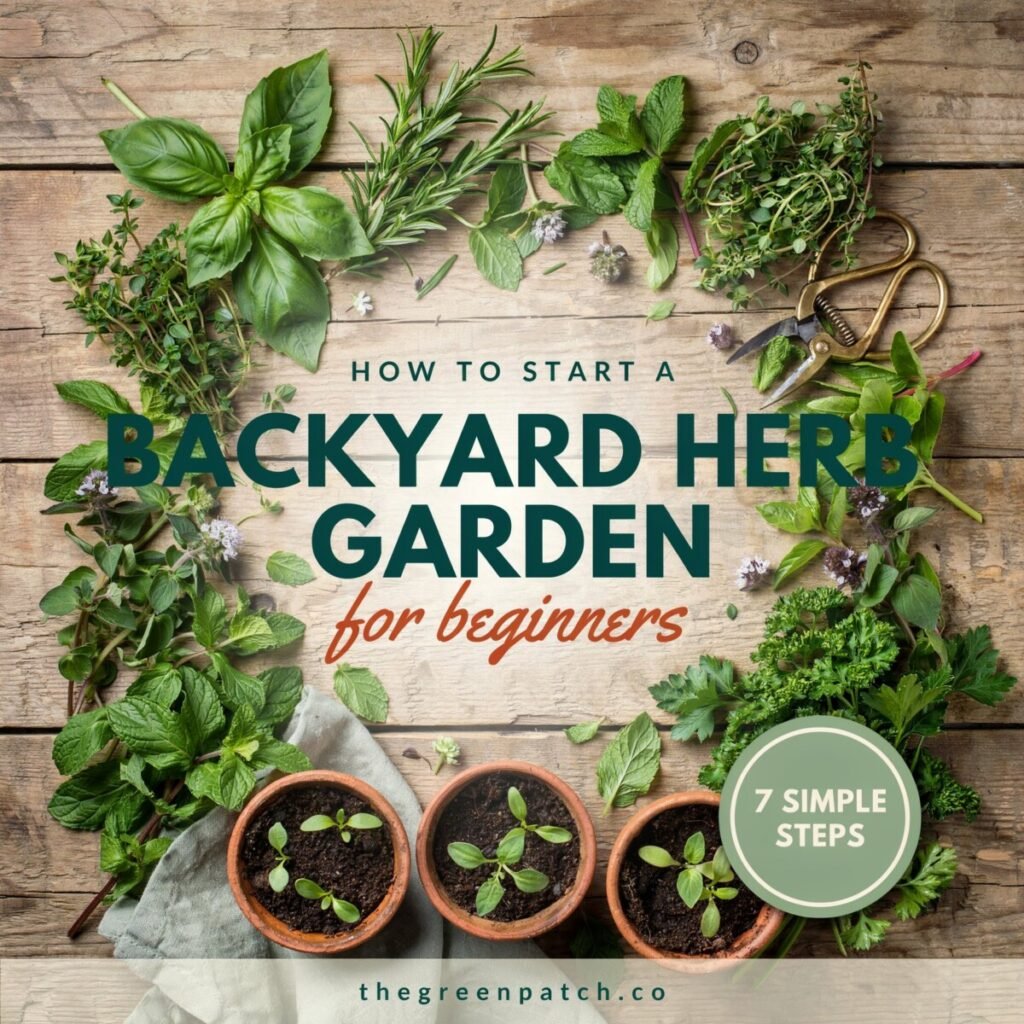
Why Start a Backyard Herb Garden?
Before we dig into the soil, let’s explore why dedicating a small patch of your yard to herbs is such a brilliant idea. An herb garden for beginners offers a multitude of benefits that extend far beyond simple aesthetics.
First and foremost, there is the unmatched convenience of having a kitchen herb garden right outside your door. Store-bought herbs are often expensive, packaged in excessive plastic, and tend to wilt in the crisper drawer within a few days. When you grow your own, you harvest exactly what you need, exactly when you need it. The flavor difference is staggering; herbs picked minutes before cooking possess essential oils and aromatic compounds that degrade rapidly after harvesting.
Furthermore, a backyard herb garden is incredibly budget-friendly. A single packet of seeds or a small nursery starter plant costs just a few dollars but can yield pounds of fresh foliage over a growing season. It is also a fantastic gateway into the wider world of gardening. Because herbs are generally hardy and forgiving, they provide easy gardening success for beginners, building your confidence for future landscaping or vegetable gardening projects. Finally, herbs attract beneficial pollinators like bees and butterflies, deter certain pests, and add a beautiful, fragrant dimension to your outdoor living space.
Choose the Best Spot for Your Herb Garden
The success of the herbs to plant in backyard gardens hinges largely on location. Before you buy a single seed or trowel, take a day to observe your yard.
The most critical factor is sunlight for herbs. Most culinary herbs are sun-worshippers, originating from the Mediterranean or other warm, bright climates. To thrive, they require a location that receives at least six to eight hours of direct sunlight per day. South-facing or west-facing spots are usually ideal. If your yard is heavily shaded, you may need to rely on a container herb garden that you can move to follow the sun, or focus on shade-tolerant varieties like parsley, cilantro, and mint.
Next, consider the soil and drainage. Herbs despise “wet feet”—a gardening term for roots sitting in stagnant water. Choose a spot with naturally well-draining soil. Avoid low-lying areas where water pools after a heavy rainstorm.
Finally, think about convenience. An outdoor herb garden should be located close to your kitchen or a primary walkway. If you have to trek across the entire yard in the rain to grab some thyme, you are much less likely to use your fresh harvest. Additionally, try to select a spot that offers some protection from harsh, prevailing winds, which can dry out foliage and snap delicate stems.
Decide Between Backyard, Raised Bed, or Containers
When figuring out how to start an herb garden, you must decide on the physical structure of your planting area. There are three primary options, each with its own pros and cons.
Traditional Backyard Planting
Planting directly in the ground is the most cost-effective method and works well if you have excellent native soil and ample space. However, it requires more initial weeding and soil amendment, and you are entirely at the mercy of your yard’s natural drainage and soil composition.
Raised Bed Herb Garden
A raised bed herb garden is arguably the best option for many beginners. By building a wooden, stone, or metal frame and filling it with high-quality soil, you gain complete control over the soil texture, drainage, and fertility. Raised beds warm up faster in the spring, extend your growing season, and save your back from excessive bending. They also provide a neat, organized look that clearly defines your garden space.
Container Herb Garden
For those with limited space, poor native soil, or a patio-only living situation, a container herb garden is a lifesaver. Pots, window boxes, and grow bags allow you to customize the soil for each specific plant and easily move them to optimize sunlight. Just ensure that every container has adequate drainage holes at the bottom to prevent root rot.
Prepare the Soil
The secret to a bountiful organic herb garden lies beneath the surface. Herb garden soil needs to be loose, fertile, and exceptionally well-draining.
If you are planting in the ground, start by clearing the area of all weeds, grass, rocks, and debris. Use a garden fork or tiller to loosen the compacted soil to a depth of at least 12 to 18 inches. This allows delicate herb roots to penetrate easily and access nutrients.
Next, amend the soil. Herbs generally prefer a slightly acidic to neutral pH (around 6.0 to 7.0). Mix in a generous amount of organic compost to improve soil structure, add slow-release nutrients, and boost microbial life. If your native soil is heavy clay, which retains too much water, mix in coarse sand or perlite alongside the compost to dramatically improve drainage. If your soil is very sandy and drains too quickly, the compost will help it retain just enough moisture and nutrients.
For a raised bed herb garden or container herb garden, skip the native dirt entirely. Purchase a high-quality organic potting mix or a raised bed soil blend. These mixes are specifically formulated to be lightweight, fluffy, and perfectly balanced for container and raised bed growing.
Pick the Best Herbs for Beginners
Choosing the right plants is crucial for a successful herb garden for beginners. You want to start with easy herbs to grow that are forgiving of minor mistakes. Here are some of the best herbs for beginners to consider:
- Basil: A warm-weather annual that grows rapidly and loves the heat. It is a staple for pesto, salads, and Italian dishes.
- Mint: One of the most vigorous low-maintenance herbs available. It thrives in almost any condition but is highly invasive. Pro tip: Always plant mint in a container to prevent it from taking over your entire yard.
- Parsley: A biennial herb usually grown as an annual. It is versatile, nutritious, and tolerates a bit more shade than other herbs.
- Chives: A hardy perennial with a mild onion flavor. They produce beautiful purple blossoms that are also edible and attract pollinators.
- Thyme: A tough, drought-tolerant perennial that loves hot, sunny, and slightly dry conditions.
- Rosemary: A woody perennial that resembles a small shrub. It requires excellent drainage and full sun but is incredibly long-lived in warmer US climates.
- Oregano: A sprawling perennial that is highly aromatic and essential for Mediterranean and Mexican cuisines.
- Cilantro: A fast-growing annual that prefers the cooler weather of spring and fall. It tends to “bolt” (go to seed) quickly in the high heat of summer.
When buying plants, you will notice a distinction between annual herbs (which complete their life cycle in one year, like basil and cilantro) and perennial herbs (which return year after year, like thyme, rosemary, and mint).
Decide whether to start from seed or buy starter plants. Seeds are incredibly cheap and great for fast growers like basil, cilantro, and dill. However, slow-growing perennials like rosemary, thyme, and lavender are much easier and faster to establish if you purchase small starter plants (transplants) from a local nursery.
Plant Your Herbs Correctly
Once your soil is prepped and your plants are selected, it is time to put them in the ground. Proper planting techniques set the stage for healthy growth.
Spacing: Read the plant tags carefully. It is tempting to cram tiny starter plants close together for an instant lush look, but herbs need room to circulate air. Crowded plants are highly susceptible to fungal diseases like powdery mildew. Give sprawling herbs like oregano and mint plenty of room, while upright herbs like basil and parsley can be placed a bit closer.
Depth: When transplanting, dig a hole slightly larger than the nursery pot. Gently remove the plant, teasing apart any circling roots at the bottom of the root ball. Place the plant in the hole so that the top of the root ball is level with the surrounding soil surface. Do not bury the stem deeper than it was in the pot, as this can cause stem rot.
Grouping: Practice “companion planting” by grouping herbs with similar environmental needs. Keep your moisture-loving herbs (basil, parsley, cilantro) in one zone, and your drought-tolerant Mediterranean herbs (rosemary, thyme, oregano) in another. This makes watering herbs much more efficient and prevents you from accidentally overwatering your rosemary while trying to quench your basil’s thirst.
Initial Watering: Immediately after planting, give your new herbs a deep, gentle watering to help settle the soil around the roots and eliminate air pockets.
Watering and Ongoing Care
Watering herbs correctly is perhaps the most common stumbling block for novices. The golden rule of herb care is: it is better to underwater than to overwater. Most herbs prefer their soil to dry out slightly between waterings. Overwatering leads to root rot, yellowing leaves, and a dilution of the essential oils that give herbs their flavor.
To check if your herbs need water, stick your finger about an inch or two into the soil. If it feels dry at that depth, it is time to water. When you do water, aim for the base of the plant rather than overhead. Wet foliage, especially in the evening, invites fungal diseases. Water deeply and infrequently to encourage roots to grow deep into the soil, making the plants more drought-resilient.
Applying a light layer of organic mulch (like straw, shredded leaves, or untreated wood chips) around the base of your plants helps retain soil moisture, suppresses weeds, and regulates soil temperature.
Ongoing care also involves regular pruning and pinching. Do not be afraid to harvest! Pinching off the top sets of leaves on plants like basil and mint encourages them to branch out and become bushier rather than tall and leggy. If you see flower buds forming on your culinary herbs, pinch them off immediately. Once an herb flowers, its energy shifts from producing flavorful leaves to producing seeds, often causing the foliage to turn bitter.
Harvesting Fresh Herbs
The ultimate reward of growing herbs at home is the harvest. Knowing how and when to cut your herbs ensures a continuous supply throughout the season.
The best time to harvest herbs is in the morning, just after the dew has dried but before the hot afternoon sun beats down. At this time of day, the concentration of essential oils in the leaves is at its absolute peak, guaranteeing the best flavor and aroma.
Use clean, sharp scissors or pruning shears to make your cuts. Never tear or yank the leaves, as this can damage the plant’s stem and invite disease. When harvesting, follow the “one-third rule”: never remove more than one-third of the plant’s total foliage at one time. This leaves enough leaves behind for the plant to continue photosynthesizing and regenerating.
For bushy herbs like basil and mint, cut the stem just above a “node” (the point where a pair of leaves meets the stem). Two new stems will sprout from that node, effectively doubling your future harvest. Regular harvesting is actually a form of pruning that keeps the plant in a vegetative, leaf-producing state.
Common Beginner Mistakes to Avoid
Even with the best intentions, new gardeners can fall into a few common traps. Keep these herb gardening tips in mind to avoid frustration:
- Choosing Too Many Herbs at Once: It is easy to get carried away at the nursery. Start with just three to five varieties that you actually cook with. You can always expand your beginner herb garden next year.
- Planting in Too Much Shade: If your herbs are stretching toward the sun, looking pale, and producing very few leaves, they are not getting the required sunlight for herbs. Move your containers or rethink your garden layout.
- Ignoring Drainage: As mentioned, soggy soil is an herb’s worst enemy. If water pools on the surface of your herb garden soil for more than a few minutes after watering, you need to amend the soil with organic matter or perlite immediately.
- Overwatering: Loving your plants to death with a watering can is a classic beginner mistake. Trust the finger-test method and let the soil dry out a bit.
- Not Harvesting Often Enough: Many beginners treat their herbs like delicate museum pieces, afraid to touch them. Remember, herbs are meant to be used. Frequent, light harvesting promotes vigorous, bushy growth.
Simple Herb Garden Care Tips
Maintaining an outdoor herb garden requires only a few minutes of attention each week. Here are some simple care tips to keep your plants thriving:
- Fertilize Lightly: Unlike heavy-feeding vegetables like tomatoes, herbs do not require massive amounts of fertilizer. In fact, too much nitrogen produces rapid, lush growth that is severely lacking in flavor. A single application of a balanced, organic granular fertilizer or a side-dressing of compost in the spring is usually all they need.
- Watch for Pests: Inspect your plants regularly for common pests like aphids, spider mites, or whiteflies. Because you will be eating these plants, avoid harsh chemical pesticides. Instead, use a strong blast of water from the hose to dislodge pests, or apply an organic insecticidal soap or neem oil spray in the early evening.
- Replant Annuals: Remember that annual herbs like basil, cilantro, and dill will die at the end of the season (or when the first frost hits). Pull them up, compost them, and prepare the soil for next year’s planting.
- Protect Perennials: Perennial herbs like rosemary, thyme, and oregano will go dormant in the winter. If you live in a colder US climate (Zones 5 and below), apply a thick layer of mulch over the root zone after the first hard freeze to insulate the roots. Alternatively, dig up tender perennials like rosemary, pot them, and bring them indoors to a sunny window for the winter.
Conclusion
Starting a backyard herb garden is a deeply fulfilling endeavor that bridges the gap between nature and your dining table. It requires minimal space, a modest financial investment, and just a little bit of your time, yet it yields massive rewards in the form of vibrant flavors, cost savings, and the simple joy of nurturing life.
If you are a beginner, the most important herb gardening tip is to start small. Pick a sunny spot, grab a few bags of quality soil, and plant a couple of easy herbs to grow like basil, mint, and chives. Do not worry about achieving botanical perfection; focus on the process, learn from your mistakes, and enjoy the incredible taste of your very own fresh herbs. Grab your trowel, head outside, and start planting your culinary oasis today!
Frequently Asked Questions (FAQs)
What herbs are easiest to grow in a backyard?
The best herbs for beginners are generally those that are highly adaptable and fast-growing. Basil, mint, chives, parsley, and oregano are incredibly forgiving and thrive in a variety of conditions. Mint and chives are particularly hardy, while basil grows rapidly in warm summer weather.
How much sunlight do herbs need?
The vast majority of culinary herbs require full sun, which means at least six to eight hours of direct sunlight for herbs each day. Mediterranean herbs like rosemary, thyme, and oregano absolutely require full sun to produce their signature essential oils. However, a few herbs like parsley, cilantro, and mint can tolerate partial shade, especially during the hottest parts of a southern summer.
Can I grow herbs in pots outside?
Absolutely! A container herb garden is one of the most popular ways to cultivate herbs, especially for those with limited yard space, poor native soil, or apartment balconies. Just ensure your pots have drainage holes, use a high-quality potting mix (never garden soil in pots), and monitor moisture levels closely, as containers dry out faster than the ground.
What is the best soil for herbs?
The ideal herb garden soil is light, fluffy, and exceptionally well-draining. Herbs do not like to sit in heavy, waterlogged earth. For in-ground gardens, amend native soil with plenty of organic compost and some coarse sand if it is heavy clay. For raised beds and containers, use a premium organic potting mix or a specific raised bed soil blend that ensures optimal aeration and drainage.